A Horizon Europe Project
ClimateSmartAdvisors (CSA) is a pan-European network empowering farm advisors with the knowledge and tools needed to support farmers in adapting to climate change across 27 countries.
Advisors Driving Change
The ClimateSmartAdvisors project unites 1500 Advisors, 140 Coaches, 27 National Coordinators, and 12 Thematic Leaders in a shared effort to advance climate-smart agriculture in Europe.
By building a strong network of skilled stakeholders, the project helps improve knowledge exchange, support advisory services, and accelerate the transition to more sustainable farming practices.
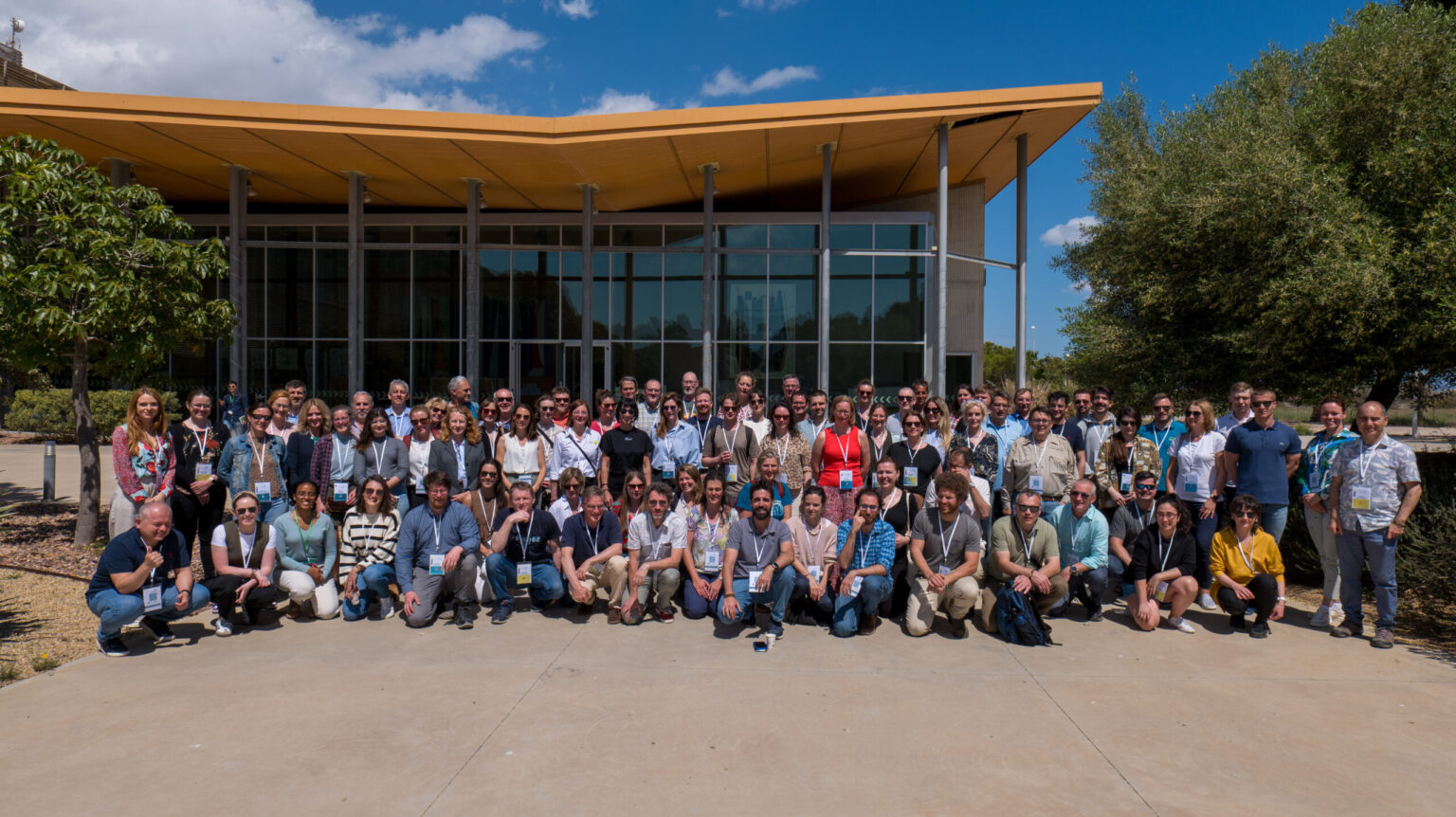
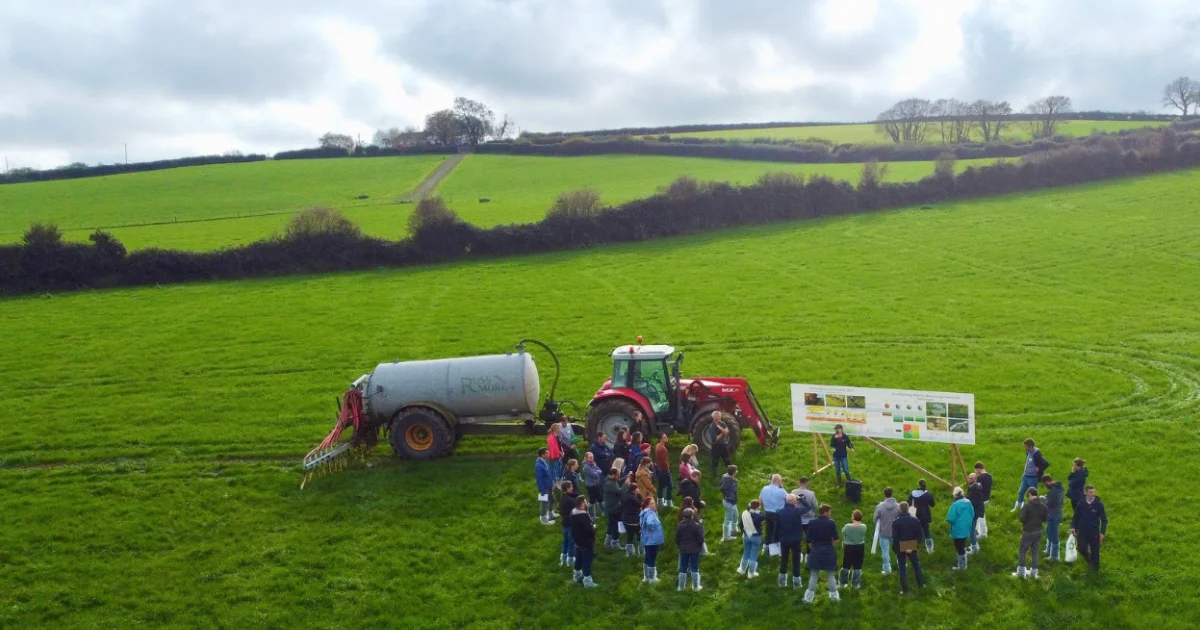
260 Communities of Practice across 27 EU countries are helping bring climate-smart farming solutions into practice within the European agricultural advisory community. Discover more about each Community of Practice as soon as the network begins rolling out activities across Europe.
FarmingForClimate.eu
A common knowledge platform rich in climate-smart tools, practices, and approaches from different EU Horizon project is the place to go for every advisor who takes part in shifting EU agricultural production towards more adaptable, sustainable and environmentally friendly farming.
The platform is under continuous development, with new features being gradually added in the coming years.
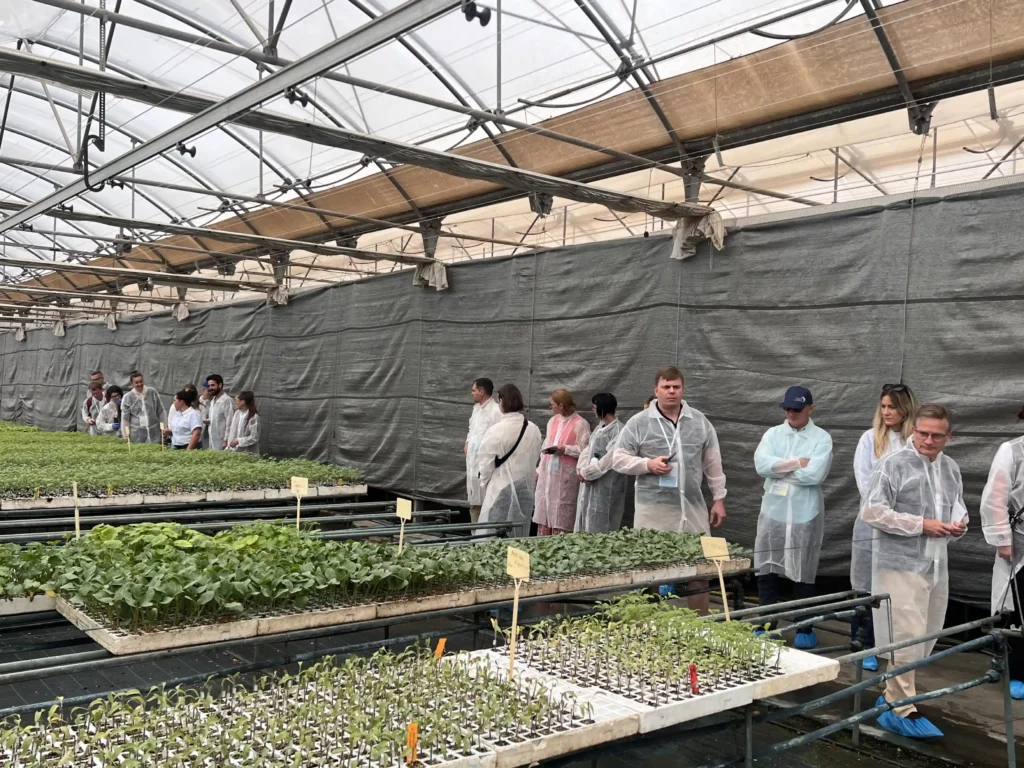
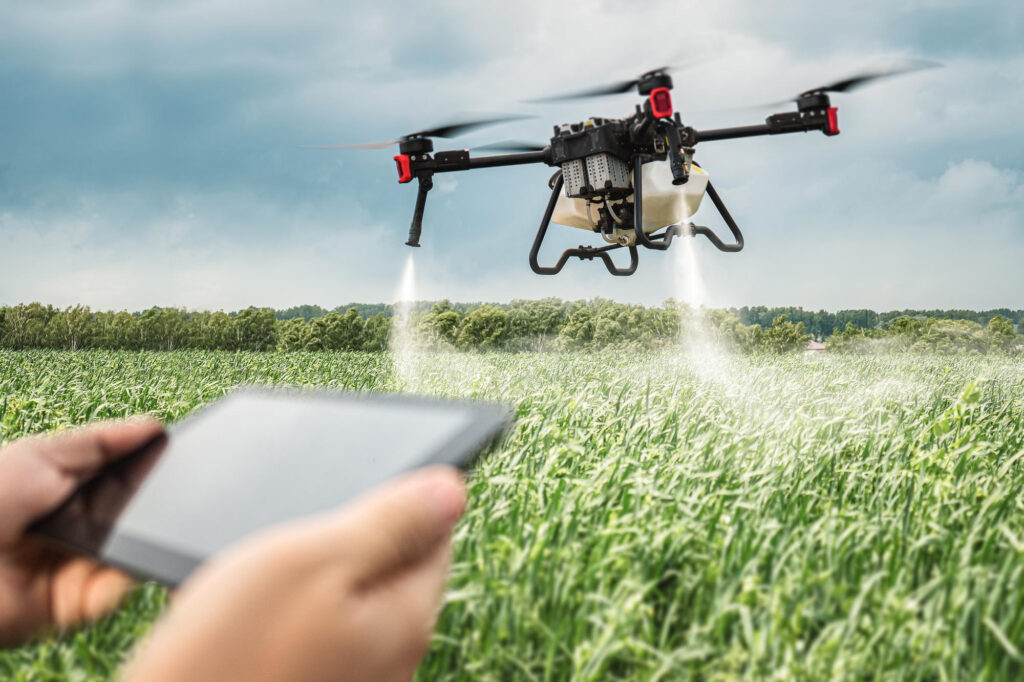
Practice oriented innovation experiments where Advisors play a central role as change and innovation agents in Climate Smart Farming multi-level transitions. Co-Design Innovation Experiments will fill in innovation gaps that have been identified in Climate Smart Advisors activities across the EU
I work at Mendel University in Brno specializing in soil chemistry and biochemistry, with a professional focus on biogeochemical element cycles, organic matter stabilization, and carbon sequestration. My mission is to bridge the gap between advanced soil science and practical advisory services, empowering advisors to enhance soil health and landscape resilience through the integration of woody features.
I am working at the French Livestock Institute, as an expert on dairy cow nutrition and feeding systems. I am in charge of regional, national and european projects delaing with milk production, feed-food competition, land use and carbonfootprint.
On this last issue, providing efficient strategies to farmers for reducing methane emissions is a critical on-going work for the dairy industry. I am particularly involved in this research.
22+ years of scientific expertise in animal science; technical and scientific experience in monogastric nutrition field; organization/coordination of digestibility trials; elaboration/optimization and development of animal nutritional solutions; nutritional strategies to obtain functional foods (meat and eggs) in partnership with SMEs; manager/responsabile national projects; team member in international projects; technological transfer; ISI/BDI reviewer; author/co-author patents
Branko Sikoparija, has PhD in Biology and works as senior researcher at BioSense Institute and Quality manager at Laboratory for palynology (ISO17025). He is a highly-conscientious, self-motivated and practiced researcher with a strong background in aerobiology, environmental science, ecology, entomology, modelling & forecasting. His current interests are real-time detection and identification of bioaerosols and exploring relationships between in hive products and honey bee health status.
As commercially-aware researcher, Branko Sikoparija is skilled in raising research funding and he also acted as the coordinator and principal investigator on a number national and international research projects (Ministry of Science-Serbia,, Science Fund of the Republic of Serbia, SNSF-SCOPES, INTERREG-IPA, WUS-CEP&CDP+, EC-HORIZON2020, EC-HORIZON EUROPE). He coordinated the registration of Protected Designations of Origin for “Fruska Gora Lime Tree Honey”. Dr Sikoparija utilizes excellent communication skills and is very successful in developing networks and collaborations both interdisciplinary and cross disciplinary.
Andreia Carvalho is a Sustainability Consultant at CONSULAI with an international background in research, innovation, and production systems. She holds a Master’s degree in Materials Engineering from NOVA School of Science and Technology and has experience managing European R&D projects focused on climate adaptation, digital transformation, and sustainable agriculture.
More than 25 years of experience in sustainability assessment in agriculture with a focus on greenhouse gas emissions and carbon credits in livestock systems. Definition, application and implementation of new assessment systems and parameters for livestock farms. Many years of experience in EU projects (Interreg Grand-Region, Interreg NWE, Life+, Horizon Europe). Scientific publications and participation in agricultural congresses as well as organisation of seminars for consultants and farmers.
I work as European project manager at the French Chamber of Agriculture, giving administrative and technical support to the regional Chambers of Agriculture involved in various Horizon Europe project on interactive innovation, climate smart farming and circular economy.
Agronomist, viticulture freelance advisor. Since 1996, I have been dealing with sustainability and I am consultant for the management and protection of the vineyard for single Wineries and vine areas. Main themes since 2009: Carbon and Water Footprints; monitoring of biodiversity and health of soils; member of OIV Sustainability Commission and of Technical Committee of Equalitas (sustainability certification of wine sector).
I obtained my first university diploma in animal nutritioning (more specifically, sport horses). I always considered my primary task to be helping farmers with knowledge transfer, within which agricultural advisory work, and the umbrella of my university provided an excellent opportunity. Among our biggest partners are beef cattle breeders, and the association of Hungarian buffalos, where forage production is highly relevant. In FAO projects I helped build AKIS systems and ICT platforms in several countries.
Herd management covers a broad spectrum of topics. Understanding which of these areas influence climate-smart farming practices is essential. What questions are still unresolved? And what valuable information exists but is rarely applied in day-to-day agricultural operations? For example, managing a herd of dairy cows presents many intriguing challenges. As an advisor, I am eager to contribute my expertise and perspectives. In this project, consolidating the knowledge that advisors can share is crucial. I am delighted to play a role in advancing herd management within this framework.
I work on research projects for arable crops and forage. I manage projects but I also drive experiments on the field and analyse data coming from the project. One project I work on at the moment is on the adaptation of crops to climate change.
Vladislava holds a bachelor’s degree from the University of Novi Sad, Faculty of Business in Services, and a master’s degree from the Faculty of Tourism, where she specialized in Eco Villages. With a rich professional background, she has several years of experience working with international corporations. She has actively participated in the planning, application, and execution of national and international projects, taken charge of event organization and support.
Andreia Carvalho is a Sustainability Consultant at CONSULAI with an international background in research, innovation, and production systems. She holds a Master’s degree in Materials Engineering from NOVA School of Science and Technology and has experience managing European R&D projects focused on climate adaptation, digital transformation, and sustainable agriculture.
Master in agricultural engineering, PhD in microbiology, and currently senior researcher in the research group on learning and interactive innovation at EV ILVO in Belgium. Involved in different European projects (AgriDemo-F2F, DESIRA, Fairshare, i2connect, ClimateFarmDemo, FarmLIFE) focusing on networking, learning, and competency development of advisors, farmers and other AKIS actors.
Researcher at the University of Almería, Spain, with a background in biotechnology and a Master’s in Bioeconomy, bridging biological and business perspectives. Her work focuses on digitalisation, sustainability, and climate-smart farming. She contributes to European multi-actor projects and Living Labs, analysing farming systems, value chains, and digital ecosystems to drive more resilient and sustainable agricultural transitions.