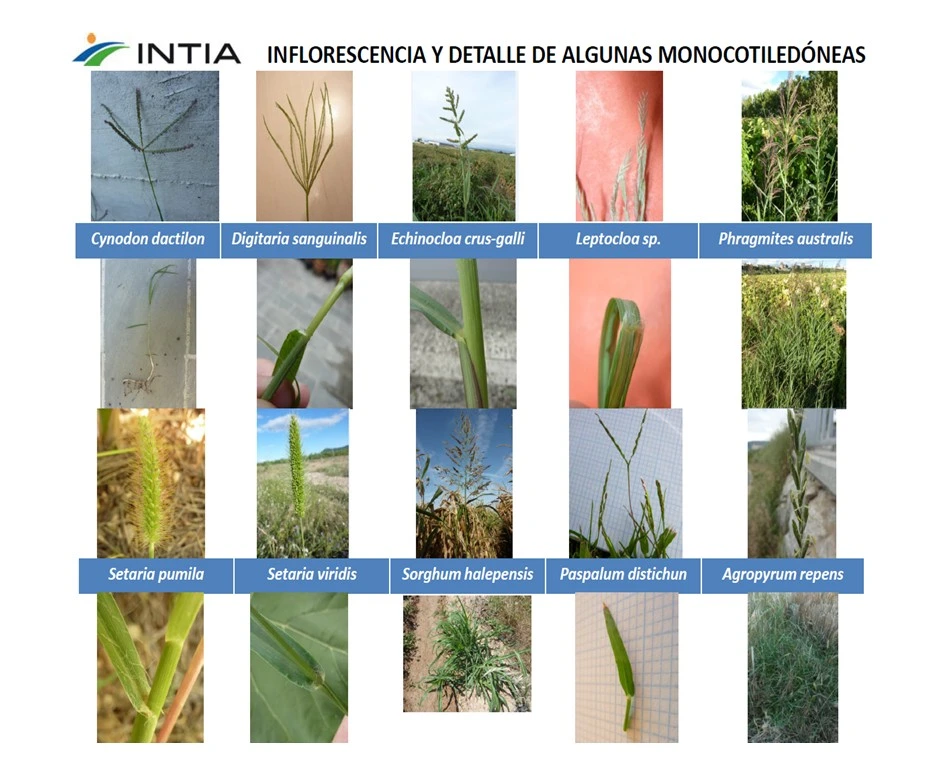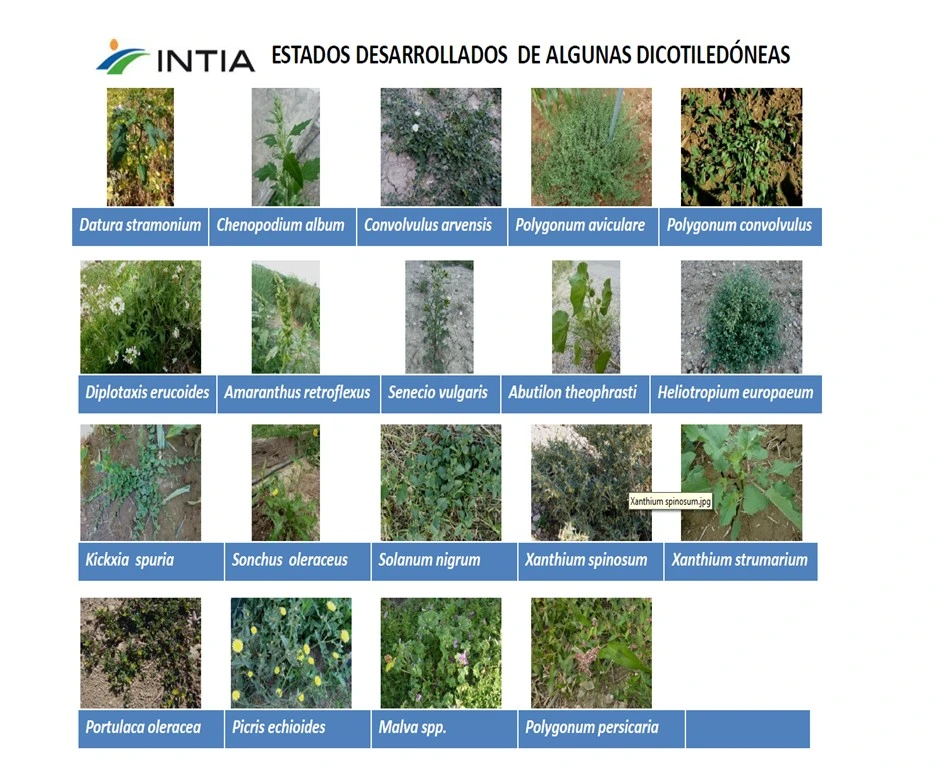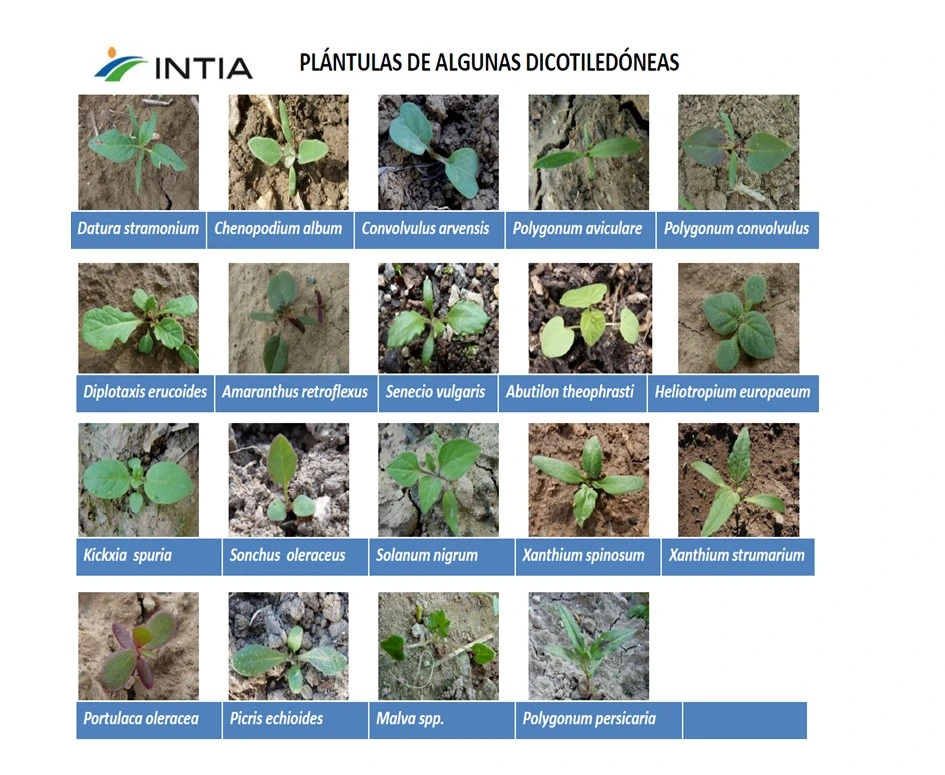

Being able to identify weed species is essential for controlling their growth and spread before deciding on herbicides or other management measures. Weed identification workshops are particularly valuable for potential participants, from advisors to farmers, who often lack the specific expertise needed, which can hinder farm productivity and sustainability.
This training was conducted within the Spanish Community of Practice within ClimateSmartAdvisors project, where participants received the necessary training to differentiate weed species in the field.
Prior to the field exercise, participants gather in a room where the procedure is explained. It is recommended to use a slide presentation and laminated images of weeds for later identification in the field. During the classroom session, participants learn the key distinguishing characteristics needed to identify weed species at both seedling and mature stages. The information should be presented as visually as possible and complemented with practical field exercises.
Before conducting the exercise, the organizer should identify plots with a wide variety of the main weeds present in the area, including the most important ones. The materials required include a room with a screen and projector for the training. The session can be complemented with images of weed seeds, fact sheets showing weeds as seedlings and mature plants, and a form to record the weeds observed and identified.
To further enrich the workshop, weeds collected and identified by participants can be compiled into an herbarium for future training sessions. These workshops can be organized by advisors with expertise in weed identification. Strong botanical knowledge and soft skills are valuable for leading the training.
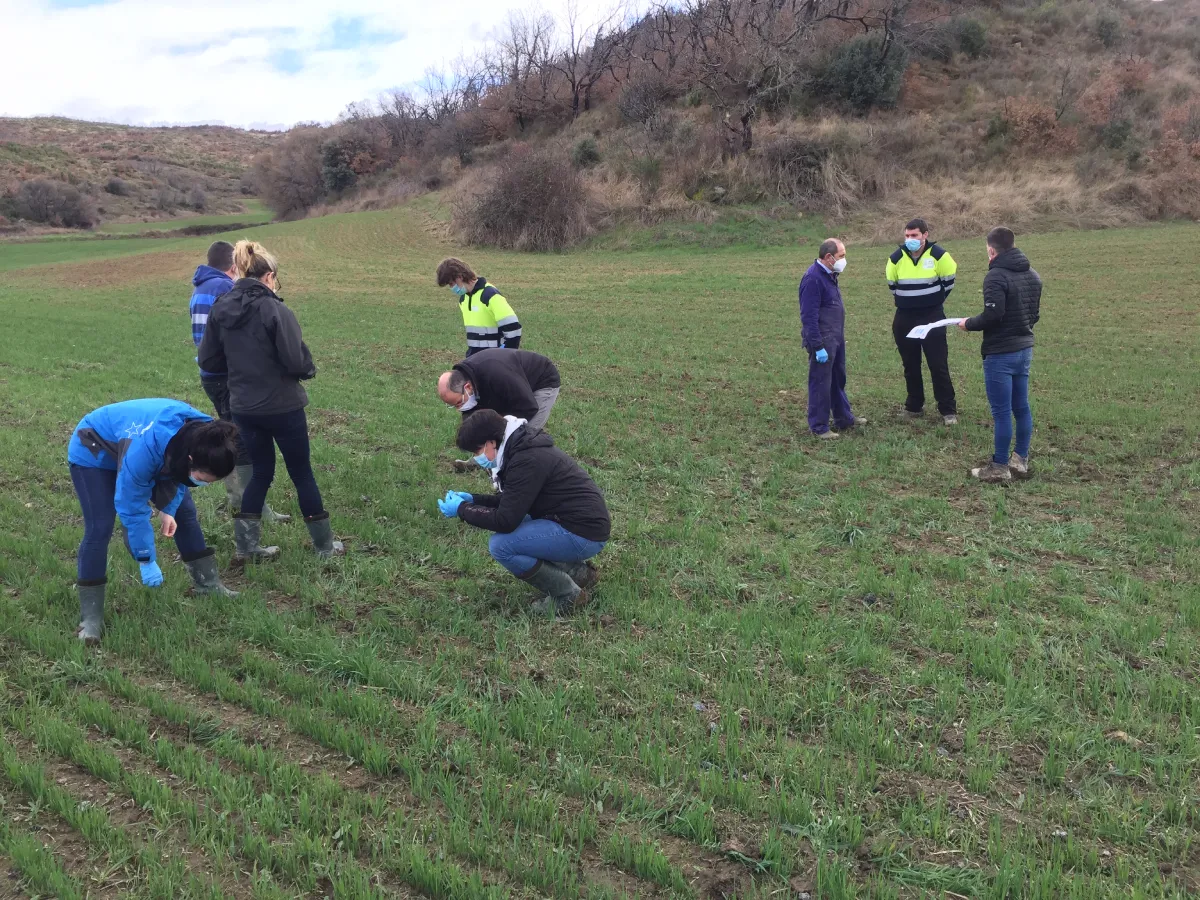
After the training, participants are expected to better manage one of the main threats to crops by avoiding mistakes in herbicide use and making more appropriate crop management decisions.
This training has already been successfully carried out in the past by INTIA advisors.
To prepare this training, several points must be considered:
First, it should be planned well in advance and the timing carefully chosen. We want to ensure that participants do not have too many other commitments during this period. For farmers, it’s important to avoid overlap with planting and harvesting seasons. Furthermore, many weeds are seasonal and have specific germination and growth periods. This must be taken into account to obtain a representative sample of weeds in the field.
It is crucial to conduct preliminary research to identify plots where we can find a sufficient quantity of weeds to demonstrate in our training. Commonly many weeds typically appear in certain crops. Since a significant portion of the day takes place in the field, it’s helpful to have information about the expected weather conditions.
Also, although not mandatory, a small gift could be prepared for the participants who were most successful in identifying weeds. For the rest, laminated sheets with images and distinctive characteristics of weeds could be offered, which they can carry in their vehicles during their time in the field. If sheets are laminated, they are more durable.
Weeds differ according to their stage of development.