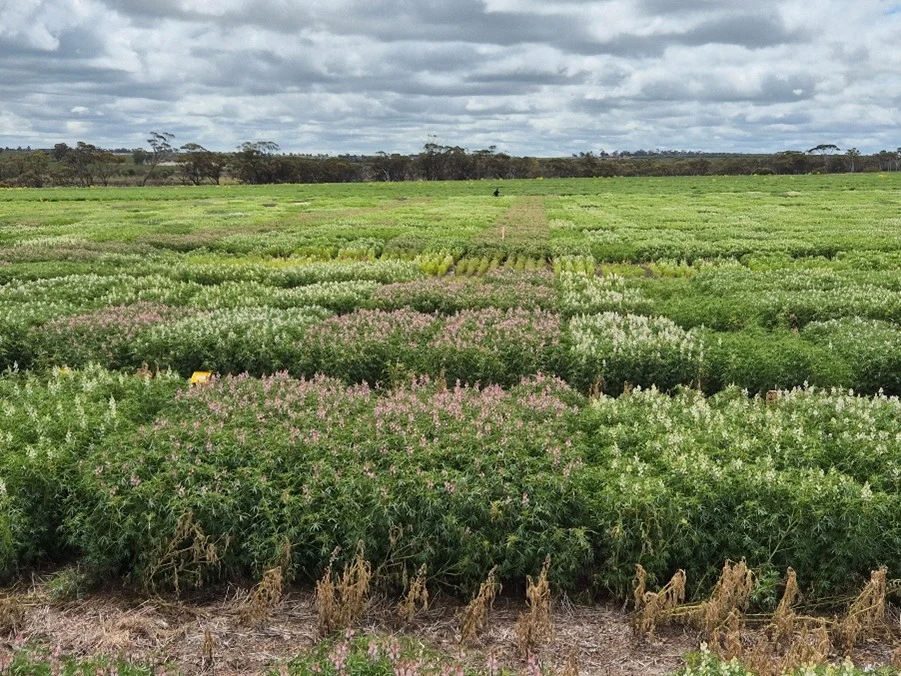
In recent years, increasingly dry conditions have posed growing challenges for crop production in Hungary. Irregular rainfall distribution in spring and prolonged summer droughts significantly affect the performance of traditional crop rotations, requiring farmers to rethink their production systems while maintaining economic viability.
Within the Hungarian Community of Practice (CoP) of the ClimateSmartAdvisors (CSA) project, crop rotation strategies were analysed based on existing practices and advisors’ field experience gained through their work with farmers. The discussions highlighted that integrating legumes into crop rotations can improve soil fertility, enhance soil biological activity and reduce dependency on external inputs, while also contributing to more stable yields under drought conditions.
Key enabling factors include increasing farmers’ motivation to adapt to climate change and growing market demand for plant-based proteins. At the same time, barriers such as limited experience with legumes, market uncertainties and access to appropriate inputs need to be addressed.
Strengthening advisory support, promoting demonstration activities and improving market conditions are essential to support adoption. Farmers are encouraged to gradually integrate legumes into their crop rotations and adjust crop proportions to better cope with increasing climate variability.
Az elmúlt években Magyarországon egyre gyakoribbá váló száraz időszakok komoly kihívást jelentenek a növénytermesztés számára. A tavaszi csapadék egyenetlen eloszlása és a nyári tartós aszály jelentősen rontja a hagyományos vetésforgók teljesítményét, ezért a gazdálkodóknak újra kell gondolniuk termesztési rendszereiket a gazdaságosság megőrzése mellett.
A ClimateSmartAdvisors (CSA) projekt magyarországi Community of Practice (CoP) csoportjában a vetésforgókat a meglévő gyakorlatok, valamint a szaktanácsadók gazdálkodókkal végzett munkája során szerzett tapasztalatai alapján elemeztük. A tapasztalatok azt mutatják, hogy a pillangós növények vetésforgóba történő beillesztése javítja a talaj termékenységét és biológiai aktivitását, csökkenti a külső inputok iránti igényt, valamint hozzájárul a terméseredmények stabilizálásához aszályos körülmények között is.
A megvalósítást segíti a gazdálkodók növekvő alkalmazkodási hajlandósága és a növényi fehérjék iránti piaci kereslet erősödése. Ugyanakkor kihívást jelent a termesztési tapasztalat hiánya, a piaci bizonytalanság és az inputokhoz való hozzáférés korlátozottsága.
A szaktanácsadási rendszer erősítése, a bemutató gazdaságok szerepének növelése és a piaci feltételek javítása kulcsfontosságú a gyakorlat szélesebb körű elterjedéséhez. A gazdálkodók számára javasolt a pillangós növények fokozatos bevezetése és a vetésforgó arányainak átalakítása a klímaváltozáshoz való alkalmazkodás érdekében.
These insights were identified through discussions within the Hungarian Community of Practice (CoP) of the CSA project and are supported by advisors’ practical experience gained through their work with farmers.
Facilitating factors include increasing farmer motivation driven by visible climate impacts on yields and profitability, as well as growing market demand for plant-based proteins. EU policy instruments, such as CAP eco-schemes, also provide financial incentives for diversified crop rotations and legume cultivation. Advisory services and existing knowledge networks play a key role in supporting uptake and knowledge transfer.
Obstacles include limited farmer experience with legumes, initial yield uncertainties and short-term economic pressures that discourage experimentation. In addition, underdeveloped market infrastructure, limited access to quality seeds and appropriate machinery, and climate variability itself can constrain successful implementation.
Recommended future actions: To support adoption, it is recommended to strengthen demonstration activities, develop regional market channels and processing capacities, and explore risk-sharing mechanisms (e.g. insurance schemes). Further applied research is needed to identify region-specific legume varieties and optimise their integration into local cropping systems.
Messages for end-users: Start small by introducing legumes on a portion of your land before scaling up. Connect with advisory services and peer networks to learn from others’ experiences. Consider the long-term soil health benefits when evaluating the economics of crop rotation changes. Monitor and document your results to contribute to collective learning. Remember that adaptation is a gradual process requiring patience and flexibility. Explore available subsidies and support programmes that can reduce transition risks.