A Practical Guide to Organizing Communities of Practice on Climate Advice in Agriculture

Author/s:

Benefits of the Practice

Communities of Practice (CoPs) offer a powerful platform for agricultural advisors to share knowledge, develop skills, and find solutions together on climate smart advisory practices.
Activities in CoPs benefit from an embedding or connection to local realities
Involve members in defining CoP objectives to make sure the CoP meets their needs and interests.
English language

Summary for Practitioners on the Main Finding/s or Innovative Solution/s

Communities of Practice (CoPs) offer a powerful platform for agricultural advisors to share knowledge, develop skills, and co-create climate smart advisory practices. In the ClimateSmartAdvisors project, we identified some basic principles for successful CoPs:
• CoPs for climate advice require clear objectives, strong engagement, and practical relevance. Successful CoPs start with a well-defined theme and learning goals, ideally focusing on one topic such as water management. Co-creation of agendas and flexibility to adapt to emerging issues increase commitment. Small, motivated groups of five to six advisors work well, with careful selection to build trust.
• Planning ahead is essential: schedule meetings for a longer period, combine sessions with other events to increase effectiveness and efficiency, and mix physical and online formats. Maintain interaction between meetings through short check-ins and shared platforms. Meetings should be practice-oriented, including farm visits, and case studies, complemented by expert input without becoming overly theoretical. Informal moments strengthen group dynamics.
• Training within CoPs are structured, trainer-led, and evaluated. Topics must reflect advisors’ needs, and can cover both technical issues (e.g., carbon storage, methane reduction) and soft skills. Hybrid formats and internal or external trainers can be used, supported by international and local networks.
• Challenges such as time constraints, low engagement, and logistical issues can be addressed through careful planning, shared responsibilities, and grounding activities in everyday realities. Document and share outcomes via public platforms, videos, and collaborative initiatives to maximize impact.
In summary, key success factors for organising CoPs include clear objectives, trust, practical relevance, repeated training, and continuous evaluation. Well-organized CoPs empower advisors with confidence, knowledge, and skills to deliver effective climate-smart advice.

Native language

Communities of Practice (CoP’s) bieden een goed platform voor landbouwadviseurs om kennis te delen, vaardigheden te ontwikkelen en samen oplossingen te vinden voor klimaatslimme adviespraktijken. In het ClimateSmartAdvisors-project identificeerden we enkele basisprincipes voor succesvolle CoP’s:.
• CoP’s voor klimaatadvies vereisen duidelijke doelstellingen, sterke betrokkenheid en praktische relevantie. Succesvolle CoP’s beginnen met een goed gedefinieerd thema en leerdoelen, bij voorkeur gericht op één onderwerp zoals waterbeheer. Het gezamenlijk opstellen van agenda’s en flexibiliteit om in te spelen op nieuwe vragen vergroten de betrokkenheid. Kleine, gemotiveerde groepen van vijf tot zes zorgvuldig geselecteerde adviseurs werken het best.
• Vooruit plannen is essentieel: plan bijeenkomsten voor een langere periode, combineer sessies met andere evenementen, en mix fysieke en online formats. Houd interactie tussen bijeenkomsten in stand via korte check-ins en gedeelde platforms. Bijeenkomsten moeten praktijkgericht zijn, inclusief bedrijfsbezoeken en casestudies, aangevuld met input van experts zonder te theoretisch te worden. Informele momenten versterken de groepsdynamiek.
• Trainingen binnen CoP’s zijn gestructureerd, door een trainer geleid en worden geëvalueerd. Onderwerpen sluiten aan bij de behoeften van adviseurs en kunnen zowel technische kwesties (bijv. koolstofopslag) als soft skills omvatten. Interne of externe trainers kunnen worden ingezet.
• Uitdagingen zoals tijdsdruk en lage betrokkenheid kunnen worden aangepakt door zorgvuldige planning, gedeelde verantwoordelijkheden en activiteiten die aansluiten bij de dagelijkse praktijk. Documenteer en deel resultaten via openbare platforms, video’s en andere initiatieven om de impact van de CoP te maximaliseren.
Samengevat: succesfactoren voor het organiseren van CoP’s zijn duidelijke doelstellingen, vertrouwen, praktische relevantie, herhaalde training en voortdurende evaluatie.

Additional Information

Clear objectives
A successful CoP starts with well-defined objectives and learning goals. Actively involve CoP members in setting the agenda to create ownership. It is recommended to take time at each meeting to review and adjust objectives and activities if necessary.

Group composition
CoPs work best with a smaller, committed group. Select participants who have time, interest, and motivation to contribute. Diversity of expertise enriches discussions but might make it more difficult to find common objectives and interest.

CoP organisation
Schedule multiple meetings for a longer period and, if relevant, try to combine them with other events to increase effectiveness and efficiency. Alternating between physical and online meetings offers flexibility. Between meetings, it is important to keep interaction alive to maintain engagement, for example through short online check-ins, e-mail updates, phone calls and social media platforms.

Attractive and relevant meetings
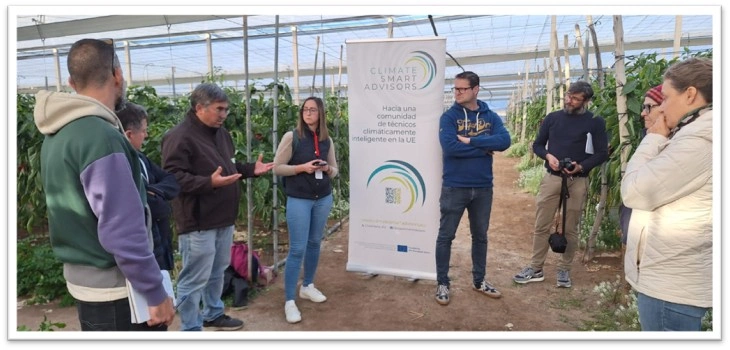
Combine theoretical insights with concrete examples which make climate solutions and advice tangible and applicable, e.g., through farm visits, demonstrations, and case studies. Avoid overly theoretical sessions and leave room for peer-to-peer interaction. Informal moments (e.g., sharing a meal), strengthen trust and group dynamics.

Training within the CoPs
A training differs from a regular CoP meeting because it is trainer-led, has clear learning objectives, follows a structured format and learning outcomes are evaluated at the end. Topics can be related to technical themes (e.g., methane reduction) or soft skills (e.g., communication with farmers). Use internal expertise within the CoP or bring in external trainers.

Make outcomes shareable
Document CoP outcomes, e.g., take meeting minutes, collect key learnings, and record interesting advisory practices, tools and methods. Develop brochures, leaflets, and videos, and disseminate them to a wider audience. Collaborating with other initiatives increases reach.


CoPs active in the ClimateSmartAdvisors project