 Crops Management
 Biogas Production
 Water Management
 Rewarding Mechanisms
 Energy Management
 Agroforestry and Relation to Landscape
 Manure Storage and Spreading
 Soil Health and Biodiversity
 Forage Production
 Grassland Management
 Herd Management
• Taking a co-design approach to your training event could help you meet your group’s needs more effectively.
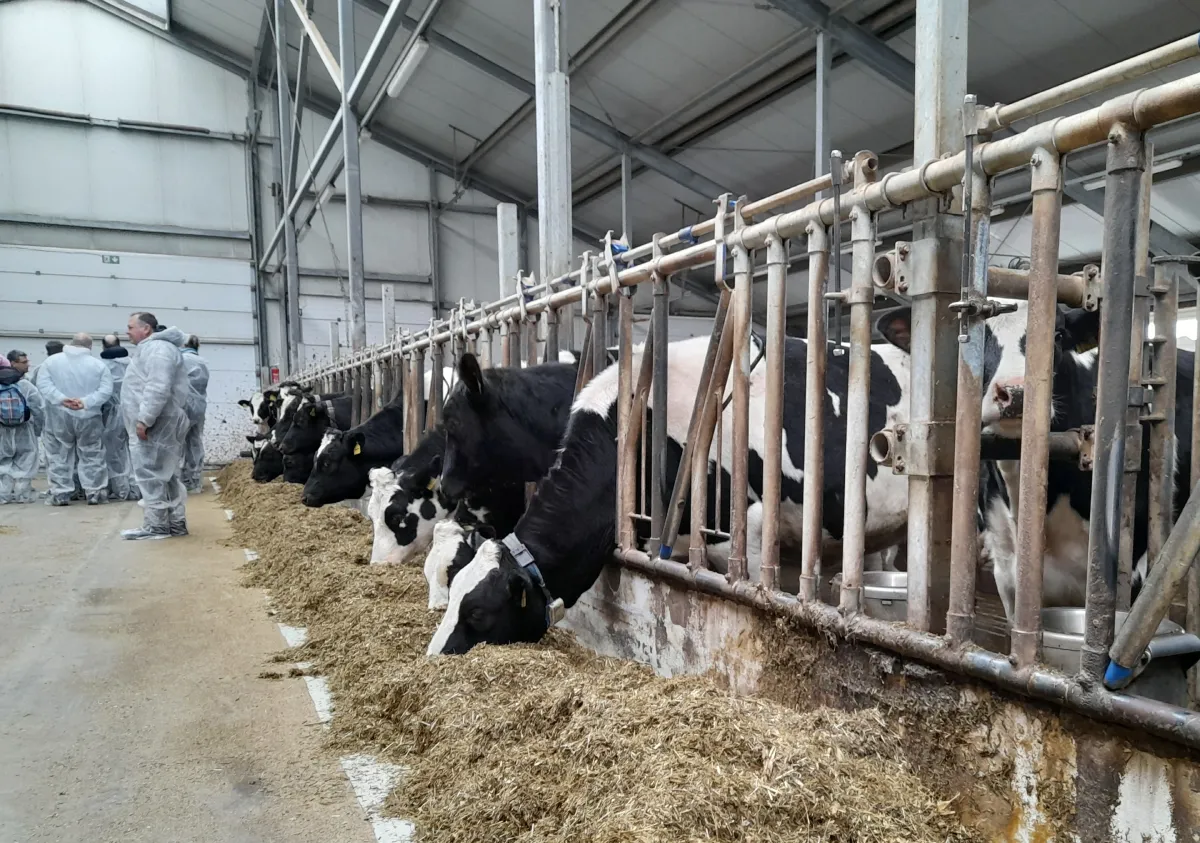
• It’s widely acknowledged that people have different learning preferences (what people like) and strategies (effective ways to learn). Active learning, engaging participants through discussion, problem-solving, and projects are considered far more effective for long-term retention and developing critical thinking, rather than passive learning (lectures). Discuss with your trainer how they will deliver training in a way that suits your group and achieves your learning outcomes. This could be classroom based with exercises, or through demonstration or ‘hands on’ activities at a farm or research facility
• To show that your training has been effective, and/or identify improvements for future training delivery, you will need to have a way to document and evaluate your training experience. What would you change next time?
• Following the training, identify ways you can put your new skills or knowledge into action. This will help you consolidate knowledge, build on your training and identify any gaps that could be built into future training events.
• Use your networks! From farmers to advisors to technical specialists, there are a host of talented and knowledgeable people working in the climate and agriculture space. Reach out, see what others have done and how they can help you build your knowledge and network, both individually and as part of a wider training group.