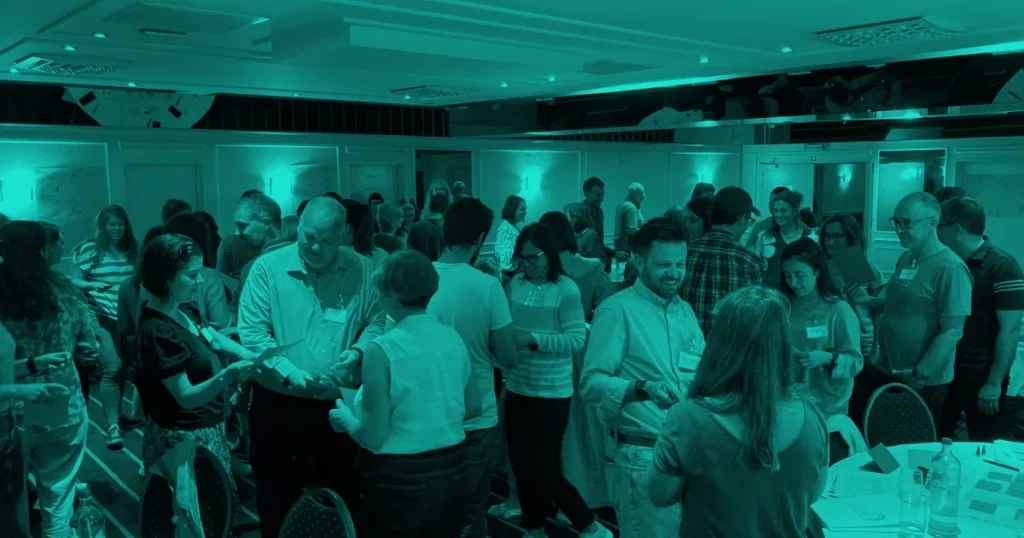
Across Europe, agricultural advisors are seeking increasingly effective ways to support farmers in adapting to climate change. One approach that stands out for its simplicity and effectiveness is the use of Communities of Practice (CoPs). Rather than traditional training, these are collaborative learning spaces where advisors can exchange experiences, deepen their understanding and strengthen their confidence as climate advisors.
Evaluations within the ClimateSmartAdvisors project demonstrate clear benefits. Advisors who participate in CoPs feel better equipped to address climate-related misconceptions, communicate evidence-based arguments and demonstrate the practical value of climate-smart solutions for farmers, including improved efficiency, better animal health and increased economic gains.
Based on the experiences of CoP coaches across the project, here are the key factors that make these communities effective.
Clear Purpose, Strong Engagement
Every effective CoP starts with a clear theme and shared learning objectives. Coaches emphasise that focusing on a specific topic, such as water management or fertilisers, helps to ensure that discussions remain focused and meaningful. This also enables the group to formulate specific learning objectives.
Advisors feel a sense of ownership when they help shape the agenda. A joint brainstorming session followed by a vote on the most relevant topics creates energy and commitment. At the same time, however, flexibility remains essential. New issues often emerge during the process, and adapting the agenda to these ‘hot topics’ increases engagement. Reviewing objectives at each meeting helps to keep the group aligned and responsive.
Small Groups, Strong Relationships
The most successful CoPs are small groups of no more than five or six advisors. This size ensures that everyone can comfortably participate in and follow the discussion. Motivation and interest are important factors in selecting participants, and involving the CoP coach in this process helps to build trust from the outset.
While diverse expertise enriches the group, what truly matters is that members feel included and supported. A sense of trust makes it easier to ask questions, share doubts and learn from one another.
Planning for Momentum
CoPs work best when they are planned over a longer period, with several meetings scheduled in advance. Combining CoP sessions with other events makes participation easier and more efficient. Alternating between physical and online meetings, provides flexibility and increases the potential of high participation rates in cases where CoP members live far apart.
Short online check-ins, shared workspaces and informal updates between sessions help maintain continuity. Coaches often call participants individually or send small updates to keep the group connected and engaged.
Meetings That Inspire
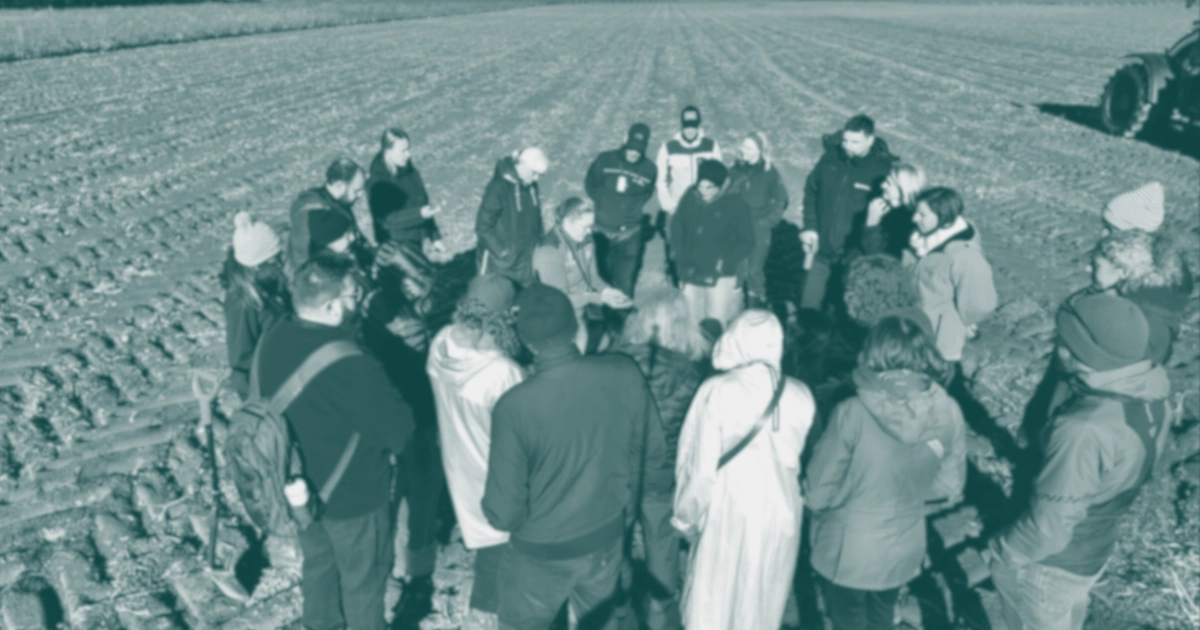
The most memorable and valuable CoP sessions are practical, addressing real-life farming and advisory challenges. Farm visits, demonstrations and case studies help to make climate solutions more tangible and actionable. Advisors emphasize that theory is only useful when paired with practical and context-specific examples.
While inviting external experts can enrich a session, overly theoretical presentations tend to reduce engagement. CoPs thrive on interaction, and advisors often learn the most from each other’s experiences. Informal elements, such as sharing a meal, further strengthen group dynamics.
Training That Responds to Needs
Within CoPs, training sessions differ from other meetings because they have a specific learning objectives. They are structured and led by trainers, and are built around clear learning outcomes. These outcomes are evaluated at the end of each session through reflection, feedback or short quizzes.
While technical topics such as carbon storage or methane reduction are highly valued, soft skills, such as communicating with farmers, are equally important. Training can take place in a classroom, online, on a farm, or in a hybrid setting. Internal expertise within the CoP is valuable, but external trainers can also offer fresh perspectives. Coaches emphasise that international networks are effective for online training, while local experts provide valuable context.
Asking trainers to prepare case studies helps to translate new insights into practical applications. Having technical support during online sessions enables facilitators to focus fully on the content and interaction.
Turning Learning Into Shareable Knowledge
Documenting outcomes is a key part of the CoP approach. Coaches take notes, record key insights, gather tools and methods, and ensure that the group’s learning objectives are clearly met.
These results can be developed into practical outputs, such as brochures, leaflets, videos or a repository of practices. Sharing these outputs through public websites, social media, workshops or collaborative networks increases their visibility and potential for reuse. Subtitled videos on YouTube help to overcome language barriers and make international experiences more accessible.
Overcoming Challenges
CoPs inevitably face challenges, such as time constraints, low engagement and logistical issues, but there are practical solutions. For example, linking CoP meetings to existing events or fixing regular meeting times can reduce scheduling pressure. Assigning tasks or shared responsibilities can stimulate engagement and ownership in the CoP. Logistical challenges can be overcome by combining sessions into two-day events or by alternating between online and physical formats (as aforementioned).
What Success Looks Like
Throughout the project, CoP coaches have identified several factors that consistently contribute to success. These include building trust and collaboration within the group, ensuring that activities remain practical and relevant, repeating training sessions as required to reinforce learning, and taking time after each session to reflect and evaluate. Sharing experiences among coaches also strengthens the overall approach.
Ultimately, an organised Community of Practice is about more than just a method. It is a space where advisors can become more confident and informed, and improve their effectiveness in guiding Europe’s farmers through the transition to climate-smart agriculture.