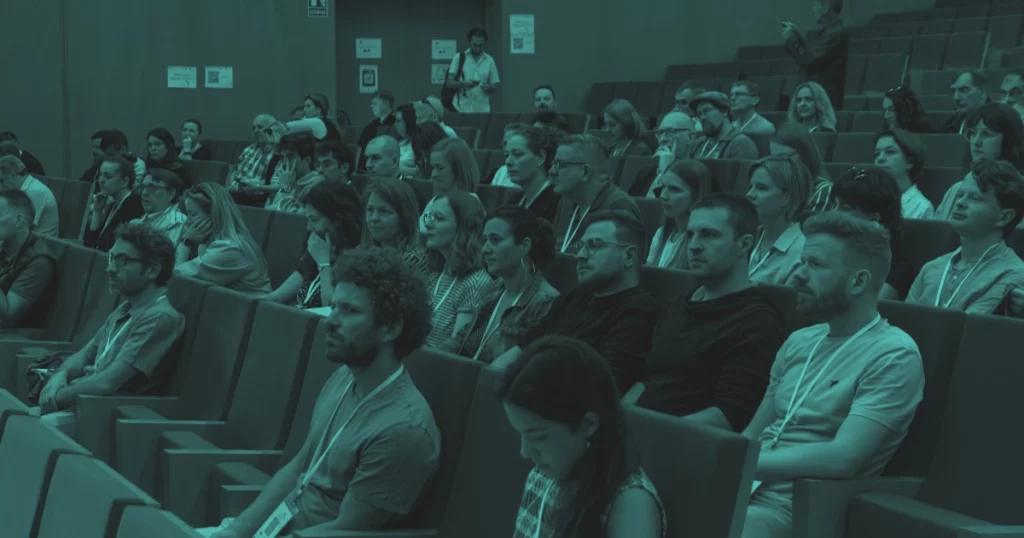
Collaboration instead of competition’ is a guiding principle of the Bavarian State Administration for Agriculture, Food, Forestry and Tourism – and one that has shaped the Train-the-Trainer programme seamlessly. Under this banner, the second cohort of Climate Smart Coaches was officially inaugurated as part of the ClimateSmartAdvisors project.
From the outset, this was far more than a conventional training course. The programme was deliberately designed to harness the diverse expertise of its international trainer team, led by FüAK and coordinated by Annelie Bernhart, alongside co-organisers and co-facilitators from Ireland (TEAGASC), France (IDELE), Scotland (SRUC), Hungary (SZE), the Netherlands (WUR), and Belgium (ILVO). Their shared ambition: to learn with one another, not just from one another.
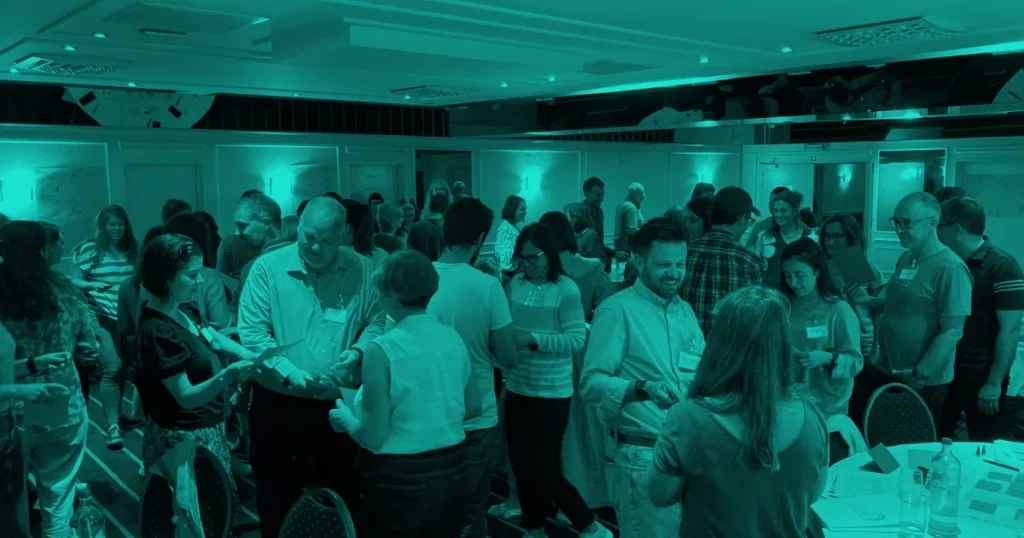
The Train-the-Trainer programme unfolded as a carefully designed three-day learning journey, guiding participants from reflection and facilitation basics to hands-on experience, and ultimately laying the groundwork for future practical application and impact through their Communities of Practice. Throughout the programme, the focus remained on preparing Climate Smart Coaches to lead Communities of Practice (CoPs), the participatory backbone for strengthening advisors’ capacity.
The journey began by placing the farmer at the centre. Through the concept of a farmer’s journey, participants explored how both farmers and advisors can move step by step toward greater climate awareness and concrete climate-smart action. This first day set the tone by introducing the role of facilitation and the core principles behind establishing and guiding a CoP, providing a shared foundation and language for the following days.


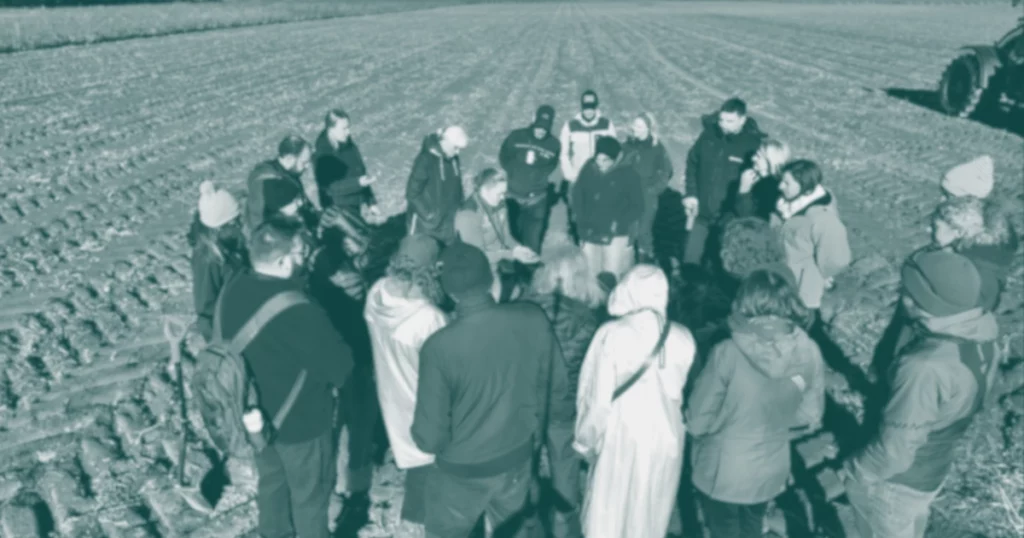
Building on this common ground, the second day shifted learning into real-world contexts through field visits. Participants visited the organic dairy and beef farm of Stefan and Michaela Grandl showed how climate adaptation and mitigation can work in practice, from a newly built livestock shed oriented east–west to reduce summer heat stress, to energy-efficient technologies such as PV panels and a biogas system that now supplies heat to ten neighbouring homes.


The second field visit took participants to a peatland research station, where the focus turned to landscape-scale climate solutions. Prof. Dr. Matthias Drößler, head of the peatland research institute, explained why peatland restoration represents the largest potential for carbon restoration in Bavaria and potentially beyond. By sharing practical examples, such as suitable crops for wet conditions and innovative materials made from grasses grown on restored peat soils, used for building materials and everyday products like bowls, he illustrated alternative income streams while clearly underlining that current land-use practices are unsustainable. Many participants recognised similarities with challenges in their own countries, reinforcing the value of cross-border exchange.


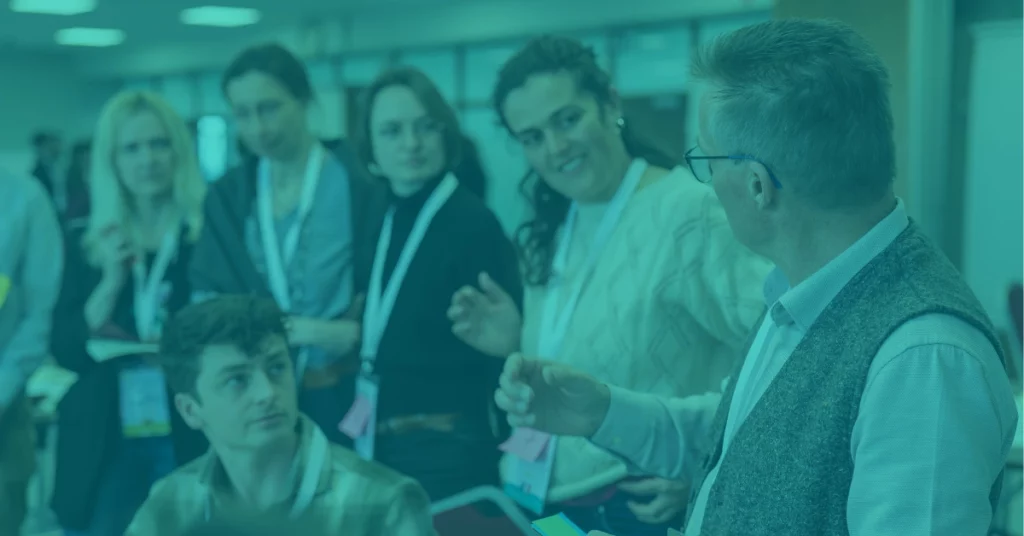
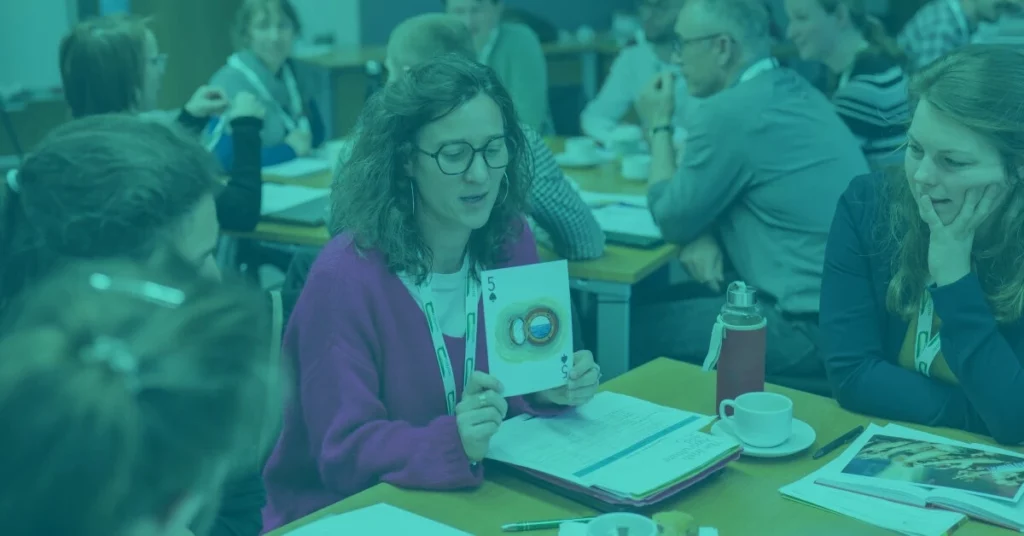
In the afternoon, participants experienced what it is like to be a facilitator by practicing a couple of facilitation tools from the Farming For Climate repository. Later on, they performed group work on network analysis, where participants mapped the actors, partnerships, and connections needed to turn ideas into concrete initiatives within their future CoPs. The day concluded on a social note, with an evening dinner at a local brewery that offered space to unwind, enjoy local food and beer, and strengthen personal connections among the Climate Smart Coaches.


On the final day of the Train-the-Trainer, the focus turned toward implementation, reflection, and impact. Participants explored monitoring and evaluation approaches, were given an introduction in rewarding mechanisms by Laurène Lebelt (Climate-KIC) and delved deeper into climate adaptation and mitigation measures by working with real-farm examples. Together, they discussed possible adjustments to farm management and ranked them according to both their potential climate impact and their likelihood of adoption by farmers. Thanks to the inclusive coordination of the programme, participants were also encouraged to critically reflect on the methods themselves in small sub-groups. This allowed different national contexts and ways of thinking to shape how the climate measures might be used.
The final day also drew on the experience of Climate Smart Coaches from the first wave, who shared honest insights into planning processes, defining objectives, and organising practical activities with advisors, farmers and external experts.
“The experiences shared showed that ClimateSmartAdvisors guidelines and methodologies are not fixed recipes, but flexible tools that can, and should be adapted.” – Laure Triste, ILVO
The Train-the-Trainer programme also created space for open and sometimes challenging conversations, including discussions on methane-reducing additives and incentive mechanisms such as carbon credits. These exchanges highlighted one of the core challenges of climate-smart farming: how to make it economically viable while respecting diverse value systems, worldviews, and production models, from small-scale operations to more commercial systems.
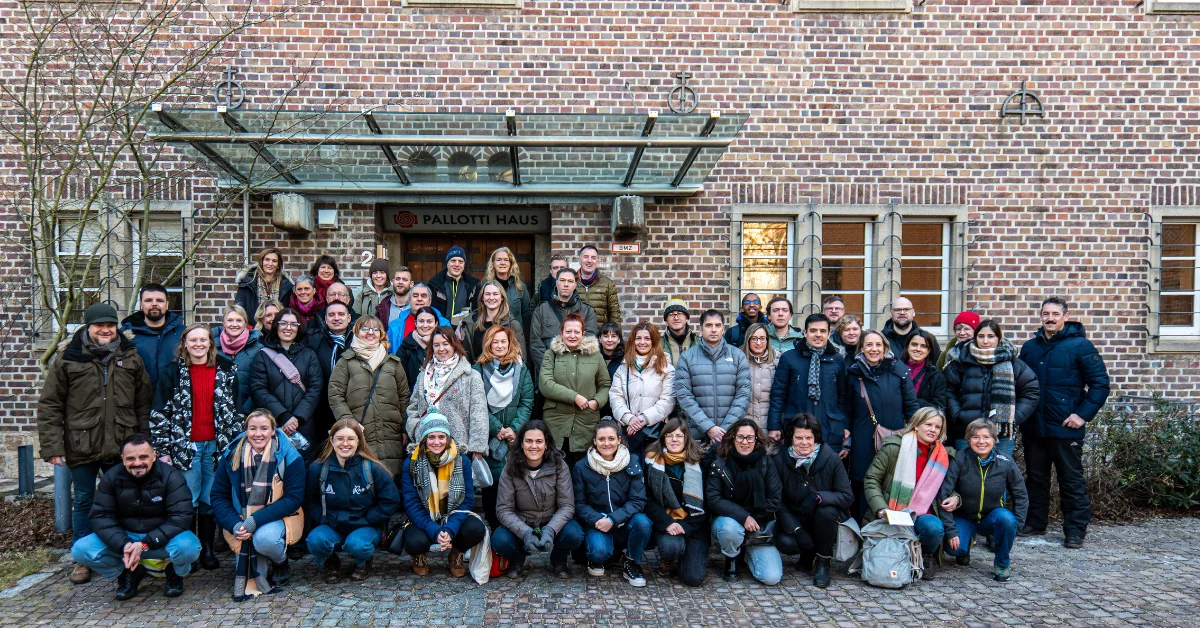
The Train-the-Trainer marked an important step forward, with another 40 Climate Smart Coaches trained, bringing together a diverse range of backgrounds and areas of expertise. We are looking forward to seeing their Communities of Practice take shape and begin operating across Europe.
A special thanks goes to the fellow FüAK trainers and the dedicated team at Palotti House, whose exceptional logistical support and warm hospitality created an environment where participants could fully focus on learning, exchange, and collaboration. Their efforts ensured not only a highly productive training experience, but also a memorable stay for both national and international participants.